
If you want to build a consistent morning routine for better focus, start with small, repeatable actions. The first hour shapes attention, energy, and momentum for everything that follows.
A strong routine reduces decisions, lowers stress, and protects your best cognitive time. This guide explains why mornings matter, the proven benefits, concrete steps, and a practical way to track progress.
Why a Consistent Morning Routine Improves Focus
A consistent routine works because brains love reliable cues. When wake time, light exposure, movement, and food happen predictably, attention stabilizes faster.

You spend fewer cycles deciding what to do and more executing priorities. This lowers friction, supports working memory, and helps you enter focused work sooner without burning energy on avoidable choices or recovery.
Cognitive Benefits of Regular Wake Times
Regular wake times align internal clocks that govern alertness, reaction speed, and sustained attention. Predictable mornings compress the time needed to feel “switched on.”
You get earlier access to high-quality concentration, which makes important tasks feel less effortful.
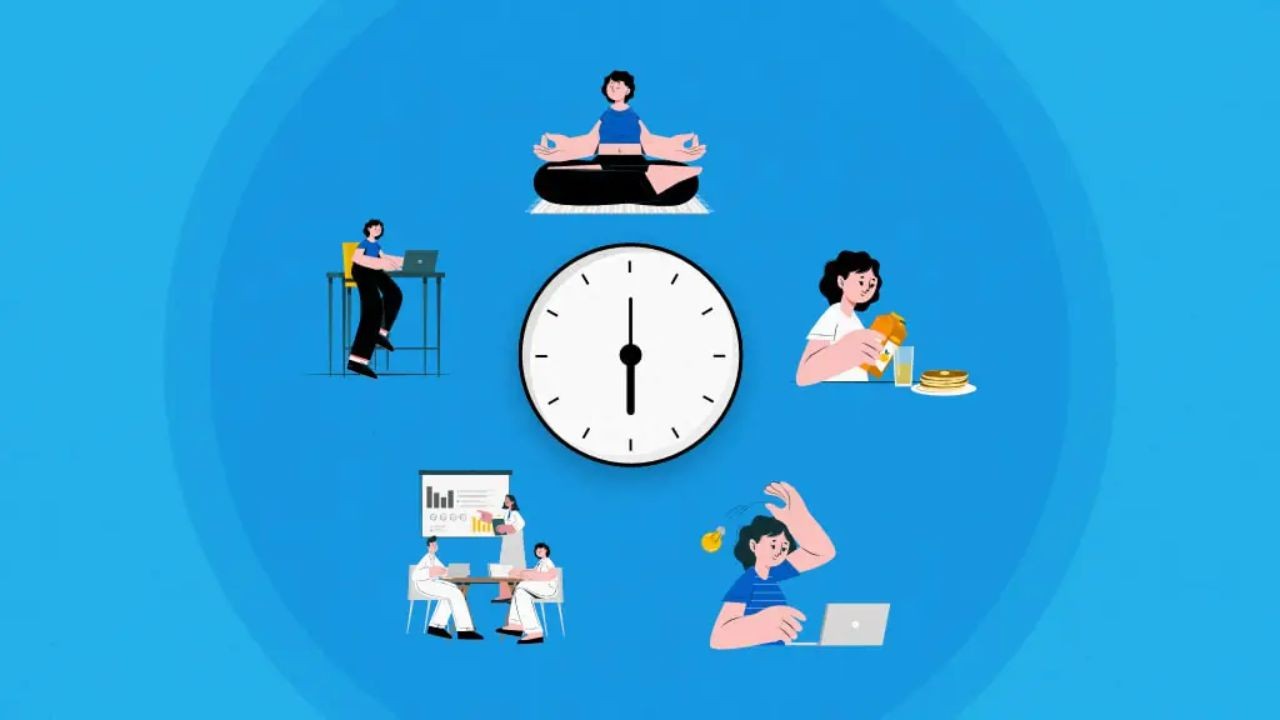
The steadier your schedule, the more consistent your cognitive performance becomes across days, especially during your personal peak hours.
Stress Reduction and Decision Fatigue
Scattered mornings create tiny roadblocks that accumulate stress and distraction. A designed routine removes those micro-decisions through checklists and simple defaults.
You preserve willpower for deep work, rather than wasting it choosing breakfast, clothes, or apps. Lower decision fatigue makes it easier to start difficult tasks, hold focus longer, and recover quickly when interruptions inevitably occur.
Energy Management and Circadian Cues
Light, movement, hydration, and food send strong signals to your body’s clocks. Starting the day with bright light, brief movement, and water cues metabolism and alertness.
Timed caffeine and breakfast then stabilize energy instead of causing spikes and dips. Consistent timing transforms mornings from a daily reset to a reliable performance protocol you can trust and refine.
Benefits You Can Expect From Morning Consistency
Consistency pays off in measurable ways. You gain earlier access to flow, smoother transitions between tasks, and fewer afternoon crashes. Mood improves because predictability reduces anxiety and creates quick wins.

Over weeks, you notice steadier output, faster ramp-up after breaks, and more confidence tackling complex projects, since mornings now supply a dependable launchpad instead of uncertainty.
Productivity and Deep Work Windows
Protected mornings create uninterrupted blocks when the brain is naturally most alert. That timing supports deep work, where focus compounds and output scales.
Finishing one consequential task early raises motivation and prevents procrastination spirals.
Over time, consistent deep work windows generate outsized returns because progress accumulates before meetings, messages, and context switching dilute attention.
Mood, Motivation, and Self-Efficacy
Predictable wins change how you feel about challenging work. Small morning completions build momentum and reinforce identity as someone who follows through.
That self-efficacy reduces avoidance and makes starting difficult tasks easier. With mood stabilized by routine, motivation stops swinging wildly, and you require fewer pep talks to do the next right thing on your plan.
Step-by-Step: Designing Your Morning Routine
Design your routine like a checklist, not a wish list. Start with an anchor wake time you can sustain for seven days.

Layer one or two actions that prime alertness and focus. Place a short planning moment before your first deep task.
When the sequence feels natural, add or refine elements, always protecting the order and minimizing unnecessary decisions.
Fix Your Anchor Wake Time
Choose a wake time you can keep within a one-hour window every day. Protect it by committing to a realistic bedtime and managing evening screens.
Consistency matters more than strict earliness, so prioritize regularity over ambition. After a week of stability, attention ramps sooner, and you need fewer “warm-up” tasks before starting meaningful work.
Prep the Night Before
Move decisions out of the morning by laying clothes out, staging your workspace, and preloading your plan. Park your top task in an open document with the first step visible. Fill your water bottle and set your device chargers.
Evening preparation turns mornings into execution mode, helping you start quickly without rummaging, rationalizing, or context switching.
Start With Light, Hydration, and Movement
Expose your eyes to bright light soon after waking to cue alertness. Drink water to counter overnight fluid loss and reduce grogginess.
Add two to five minutes of movement, like mobility drills or brisk walking, to raise heart rate gently. This fast trio reliably shortens the ramp from sleepy to ready, making the first work block feel accessible.
Plan a Focus Block and Task Selection
Reserve a defined block for your most important task before checking feeds. Confirm a single priority that would make the day a win.
Write the first action as a verb with an object, like “draft opening paragraph” or “refactor login handler.”
Clear, actionable language eliminates hesitation and reduces the mental friction that usually delays focused work.
Nutrition and Caffeine Timing
Eat a balanced breakfast if you perform better with fuel, or delay if you prefer fasting. Pair protein and fiber to steady energy and avoid mid-morning dips.
Time caffeine after rehydration, and consider waiting thirty to sixty minutes to align with natural wake hormones. Consistent timing prevents jitters, promotes steady attention, and avoids afternoon crashes.
Mindfulness and Distraction Controls
Insert a short breathing or grounding practice to settle attention. Then harden your environment by silencing nonessential notifications and closing unrelated tabs.
Keep a capture pad for stray thoughts, so you can park them without abandoning focus. Combining calm plus boundaries gives your priority task a quiet runway, improving depth and reducing task-switching costs.
Sample Routines You Can Adapt
Use these structures as templates, then customize based on constraints and preferences.

The order matters more than the clock time because the sequence builds momentum. Each option includes essential cues and a protected focus block.
Start with the shortest version to prove consistency, then stretch the timeline when you can protect longer, deeper work without rushing transitions.
A 30-Minute Minimalist Routine
Wake, light, and water take the first few minutes. Add two minutes of mobility and one minute of breathing. Open your prepared document and write one clear sentence to pierce resistance.
Start a twenty-minute focus sprint on your single priority, then leave quick notes for tomorrow. This minimalist design preserves momentum even on crowded, unpredictable mornings.
A 60-Minute Standard Routine
Begin with light, water, and five minutes of movement to lift alertness. Review your plan, reword the top task, and set a clear finish line.
Eat a simple breakfast and drink coffee if helpful, avoiding doomscrolling and inbox traps. Launch a thirty-minute deep work block, pause for a micro-break, then continue for another fifteen focused minutes before switching contexts.
A 90-Minute Deep-Work Routine
Start with bright light, water, and ten minutes of mobility and activation. Practice three minutes of breathing or gratitude to stabilize mood and intention.
Eat a protein-forward breakfast, then delay caffeine until the first block begins. Enter a fifty-minute deep work sprint, take a five-minute walk, then complete another thirty minutes. Capture wins and set tomorrow’s first step.
Conclusion
To build a consistent morning routine for better focus, standardize wake times, front-load simple cues, and protect one deep work block. Track three signals weekly and iterate without perfectionism.
Begin with the shortest sequence you can repeat on hard days, then extend when momentum sticks. Over weeks, you will notice steadier attention, faster starts, and predictable progress on meaningful work.