In most cities, flexible last-mile work now pays transparently per scheduled block, with earnings shown before acceptance.
An Amazon Flex Delivery Driver role fits that model, pairing upfront estimates with on-app navigation and simple proof-of-delivery steps.
Most U.S. markets publicly cite a typical range of $18–$25 per hour, with exact totals driven by location, demand, and block duration. Updated November 5, 2025, based on current Amazon materials and official regional pages.
What an Amazon Flex Delivery Driver Does
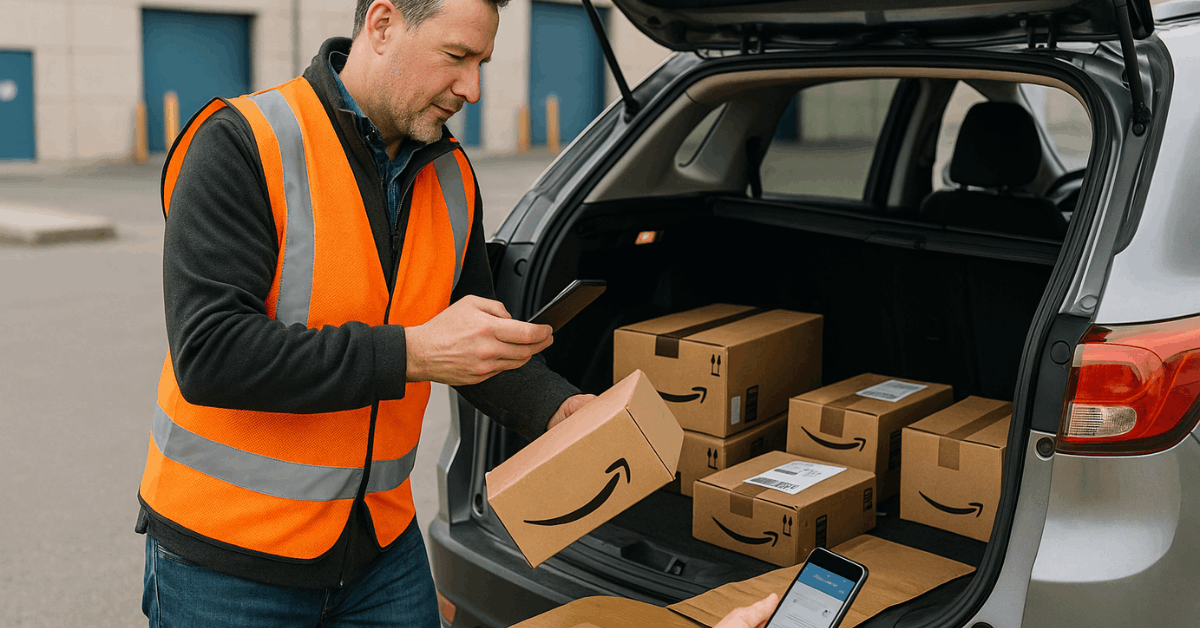
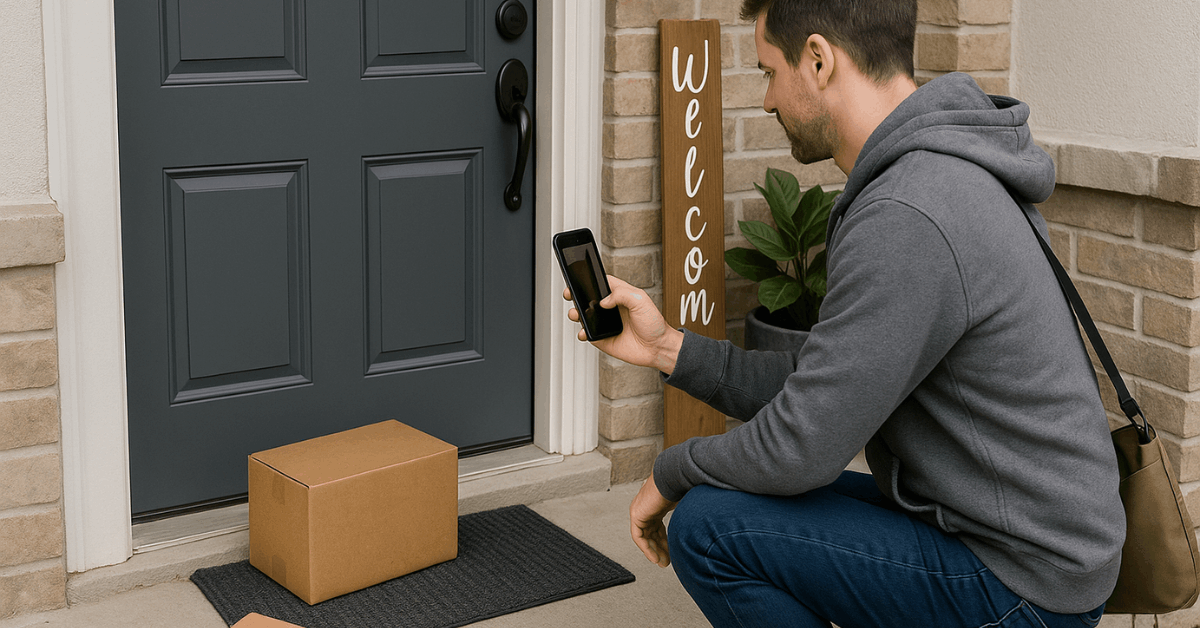
Independent delivery partners collect packages from designated pickup points, follow app-guided routes, and close each stop with a scan or photo as required.
Work occurs in delivery blocks, fixed windows that bundle multiple stops and show an expected time and payout before scheduling.
Program design emphasizes simplicity: reserve a block, make deliveries, then get paid via direct deposit on the cadence selected in the app. Amazon highlights transparent upfront estimates and no minimum delivery requirements to remain active.
Eligibility and Documents
Practical rules vary by country, so start with your local Flex site and verify live criteria. U.S. pages highlight a minimum age of 21, a valid U.S. driver’s license, Social Security Number, and access to a mid-size or larger vehicle.
UK pages set eligibility at 18+ with a full UK licence, National Insurance Number, Right to Work documents, and specific insurance expectations for commercial deliveries. Smartphone access and a clean background check apply in both markets.
| Area | United States | United Kingdom |
| Minimum age | 21+ | 18+ |
| License & ID | Valid U.S. driver’s license and SSN | Full UK licence and National Insurance Number |
| Vehicle | Mid-size or larger; 4-door typical | Mid-size car (5 seats or more) or eligible van |
| Insurance | Personal auto meeting local law | Hire and Reward insurance plus SD&P coverage |
| Work status | Authorized to work in the U.S. | Right to Work documents required |
| Screening | Amazon Flex background check | Background check and document verification |
How the Amazon Flex App and Delivery Blocks Work
Clear scheduling and integrated tools keep runs predictable across regions. Expect three stages: reserving offers, completing pickup and scanning, then following navigation to verified drop-offs.
Reserving and managing offers
Open the Amazon Flex app, check delivery blocks in the Offers tab, and accept ones that match your timing and target payout.
Each offer shows the expected time window and earnings before commitment, allowing quick comparisons across days or neighborhoods.
Pickup, scanning, and routing
Arrive at the assigned location on time, scan all packages to confirm custody, and load by sequence to reduce vehicle shuffling.
Built-in turn-by-turn directions guide each stop, while scan or photo confirmation closes the delivery and updates the route queue.
Support and issue handling
Use in-app Help for address problems, access instructions, or safety questions. Report exceptions promptly to maintain reliable metrics and avoid repeat drive-backs.
Earnings, Payout Options, and Rewards
Transparent pay, variable tipping on select order types, and a points-based rewards program shape overall income. Plan around demand spikes during holidays and weekends, when more offers and promotional windows often appear.
Typical Rates and What You See Upfront
Official materials indicate that most U.S. partners earn between $18 and $25 per hour, with the exact figure determined by market conditions and route specifics. Importantly, earnings are shown before scheduling, so informed choices happen at the offer screen.
Payout Timing and Flexibility
Payment lands via direct deposit, and recent updates let drivers choose faster options or a consolidated weekday.
Amazon describes choices ranging from “every day” to a single preferred day to streamline budgeting, including Instant Pay options configured in the Payments menu.
Tips and Seasonal Boosts
Select programs, such as specific grocery or rapid-delivery formats, enable customer tips that supplement base pay. Historical regulatory actions clarified that tips must go to drivers; today’s disclosures and app flows reflect that commitment.
Savings Via Amazon Flex Rewards
Earning points by completing deliveries unlocks fuel discounts, automotive services, and cash-back through the optional Amazon Flex Debit Card.
Examples include up to 6% back on fuel and eligible EV charging, plus additional categories as tiers increase. Check the regional Rewards page for exact offers in your country.
Step-by-Step: Apply and Get Onboarded Fast
Solid preparation reduces back-and-forth during screening and gets you to the road sooner. Keep IDs, insurance certificates, and bank details handy for quick verification.
- Download and register: Install the app, create your profile, and confirm eligibility under local Amazon Flex requirements. Provide license details and bank information for deposits.
- Consent to screening: Authorize the Amazon Flex background check and driving-record review; timelines vary by region and volume.
- Complete onboarding: Follow in-app tutorials covering offer acceptance, safe loading, scanning, and proof-of-delivery steps. Regional demand may place applicants on a waitlist until new slots open.
- Set payment cadence: Open Payments to choose daily, weekly, or preferred-day options; enable Instant Pay if available in your country.
- Start with shorter blocks: Book conservative windows first, refine packing and routing, then scale into longer runs during peak periods.
Phone, Vehicle, and Insurance Basics
Modern smartphones and legally compliant vehicles are mandatory, and UK drivers require specific commercial cover. Confirm details on your local site before accepting blocks.
Recent app pages list current device OS versions for Android and iOS; keep software updated to ensure mapping accuracy, camera scanning, and reliable notifications.
Vehicle condition matters for both safety and compliance. In the UK, tyres must meet the legal 1.6 mm tread minimum across the central three-quarters of the tyre; lights, mirrors, and indicators must be functional. The official MOT checker verifies status and expiry before any run.
Insurance Rules Differ By Region
U.S. pages require personal auto coverage meeting state law.
UK pages explicitly require Hire and Reward insurance (commercial carriage of goods for payment) in addition to Social, Domestic and Pleasure cover; Amazon lists verification steps and partner options during in-app checks.
Pro Tips That Protect Time and Earnings
Target small, high-leverage habits that compound over busy weeks and seasonal spikes.
- Organize the load: Stage packages in trunk or rear seats by route order to minimize reshuffling at the kerb.
- Preserve battery and data: Carry a fast charger and download offline maps for patchy areas to prevent navigation interruptions.
- Audit addresses early: Skim delivery notes before leaving the lot to catch gate codes or locker instructions that affect sequencing.
- Respect safe-drop rules: Follow app prompts for photo angles and placement instructions to reduce support callbacks and repeats.
- Watch regional calendars: Expect extra offers around retail peaks; plan availability where bonuses and surge windows appear most often.
Quick Start Checklist
Download the app, confirm eligibility, gather documents, and select an initial payout cadence. Keep tyres, lights, and documents compliant, then build efficient habits during short blocks before scaling.
Those fundamentals keep acceptance choices confident and earnings consistent across changing demand.
Conclusion
In practical terms, success comes from a disciplined setup and consistent block selection. Start with short, predictable windows, verify eligibility and insurance, and lock equipment readiness.
Track earnings per hour and per mile, then prioritize high-yield zones and seasonal surges. Maintain clean documentation and safe-drop habits to protect ratings, minimize callbacks, and keep invitations flowing.