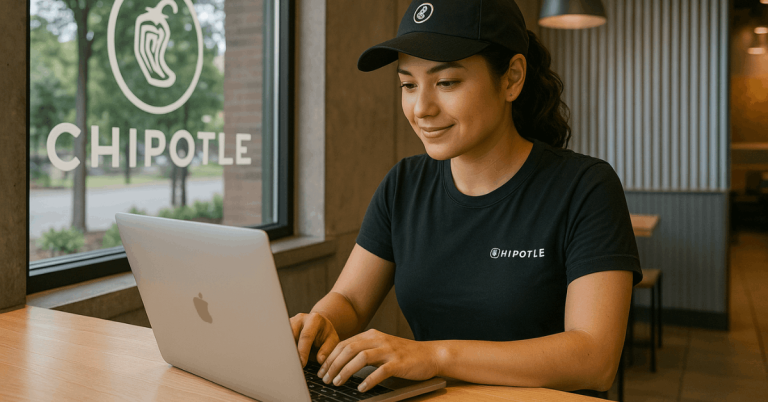
Finding a job without experience may seem challenging, but it’s possible with the right approach.
Many employers today prioritize attitude and trainability over background. You can start earning quickly by focusing on entry-level roles that welcome beginners.
This guide explains how to find, apply, and succeed in no-experience jobs while building your first career path.
What Are No-Experience Jobs?
No-experience jobs are positions that don’t require previous employment or advanced qualifications. These roles are open to people starting fresh or shifting careers.
They usually involve basic training and simple responsibilities. Most companies offering these jobs look for reliability and a willingness to learn.
Common Industries Hiring Beginners
Several industries consistently hire entry-level workers because of their fast growth and high turnover.
You can find options across service, logistics, and administrative sectors. Here are the main ones to consider:

- Retail and Customer Service – Store clerks, sales associates, or call center staff.
- Food and Beverage – Fast-food crew, baristas, or kitchen assistants.
- Delivery and Warehouse – Drivers, pickers, and packers.
- Administrative Support – Office assistants or receptionists.
- Healthcare Support – Caregivers or patient service representatives.
- Remote Jobs – Virtual assistants, chat moderators, or data entry workers.
Examples of No-Experience Job Titles
Many companies provide on-the-job training for beginners. These positions allow you to develop useful skills and gain work habits.
Common examples include cashiers, warehouse associates, customer service representatives, housekeepers, security guards, and restaurant crew members.
Remote options like virtual assistants or data entry clerks are also available for those working from home.
Why Companies Hire Applicants With No Experience?
Many businesses prefer to train employees according to their own procedures. Hiring entry-level workers saves costs and ensures fresh perspectives.
Employers also value enthusiasm and dependability more than experience in repetitive or support roles.
Key Traits Employers Look For
Even without a résumé full of experience, you can stand out by showing commitment. Employers appreciate candidates who demonstrate:
- Dependability and punctuality in meeting work schedules.
- Teamwork and communication when dealing with coworkers or customers.
- Willingness to learn and follow company instructions.
- Positive attitude when handling tasks or feedback.
Basic Requirements to Qualify
No-experience roles often have minimal entry requirements. You mainly need to prove you can show up, learn fast, and work consistently.
Education and Age Requirements
Most entry-level jobs accept applicants with at least a high school diploma or equivalent. Some employers even hire students or those seeking part-time hours.
In most regions, you must be at least 18 years old for full-time positions, though there are exceptions for youth programs.
Work Documents and Equipment
You’ll typically need valid identification, tax or work permit documents, and sometimes a resume.
For remote roles, basic tools like a laptop, internet access, and a headset are essential. Some companies provide equipment if you’re hired for customer support or virtual tasks.
How to Find No-Experience Jobs Quickly?
Finding your first job is easier when you use the right tools and channels. Many platforms specialize in entry-level listings and short-term work opportunities.
Online Job Platforms
Online job boards make it simple to filter listings by experience level. Popular platforms include:
- Indeed – Wide range of beginner jobs across industries.
- LinkedIn – Allows you to apply and connect with recruiters.
- Glassdoor – Offers company reviews and pay transparency.
- JobStreet – Common in Southeast Asia for service jobs.
- Government job portals – Post verified openings regularly.
Walk-In Applications and Referrals
Some local businesses prefer in-person applications. You can visit nearby shops, restaurants, or offices with your printed resume.
Asking friends or relatives for recommendations also increases your chances of getting hired quickly.
Temporary and Seasonal Jobs
Short-term jobs often lead to permanent roles. Seasonal hiring during holidays or busy months gives beginners valuable experience and a chance to prove themselves.
How to Apply for No-Experience Jobs?
When you lack experience, your application should focus on potential and enthusiasm. Employers want to see that you’re reliable and eager to contribute.
Building a Simple Resume
Keep your resume one page long and highlight what you already have. You can include:
- Volunteer experience or community work.
- School projects that show teamwork or responsibility.
- Certificates from short courses or training.
- Soft skills such as organization and customer service.
Writing a Short Cover Letter
Your cover letter should express interest and readiness to learn. Avoid long stories—simply state why you want the job and what qualities make you a good fit. Employers value clear communication and honesty.
Preparing for the Interview
Practice answering common questions like “Why should we hire you?” or “What are your strengths?”.
Dress appropriately, arrive early, and maintain eye contact. Confidence and courtesy can make a strong impression even without experience.
Skills That Can Help You Get Hired Faster
Learning a few practical skills will give you an edge over other beginners. These are simple but powerful abilities that improve job performance.
Basic Skills to Learn
Consider focusing on these areas to boost your employability:
- Communication – Speaking and listening clearly with customers.
- Computer Literacy – Using Word, Excel, and email efficiently.
- Time Management – Handling multiple tasks without delay.
- Problem-Solving – Finding quick solutions to work issues.
- Team Collaboration – Cooperating with colleagues respectfully.
Free Training Resources
You can improve your skills without paying. Platforms like Coursera, LinkedIn Learning, and Google Career Certificates offer free or low-cost training.
Government employment centers and nonprofit programs also provide skill development workshops.
How to Succeed in Your First Job?
Once you’re hired, focus on proving yourself reliable and motivated. Your first job builds the habits that shape your career.
Workplace Etiquette
Be punctual, respectful, and responsible in every task. Follow company policies and communicate openly with your supervisor. Good manners and consistency earn trust and positive references for future jobs.
Setting Career Goals
Plan ahead by setting clear short- and long-term goals. After six months or a year, ask for feedback and request new responsibilities.
Many employees start in basic roles and later move into supervisory or specialized positions.
Salary and Benefits Overview
Pay rates for no-experience jobs vary by industry and location. However, most beginners earn competitive wages compared to other entry-level opportunities.

Average Salary Ranges
These salaries increase as you gain reliability and seniority. Workers who stay long-term often receive raises, shift differentials, and performance bonuses.
- Retail or Food Service – $10–$15 per hour, depending on region.
- Office Support or Data Entry – $12–$18 per hour.
- Warehouse and Delivery – $13–$20 per hour.
- Remote Virtual Assistant or Freelance Work – $400–$800 per month.
Typical Employee Benefits
Employers often include the following benefits even for entry-level hires:
- Paid training and onboarding sessions.
- Health insurance or access to company health plans.
- Employee discounts in retail or food chains.
- Overtime pay for extra hours.
- Opportunities for promotion after six months or more.
Tips to Get Hired Fast
You can shorten your job search by being proactive and consistent. Employers notice applicants who follow through on their applications.
Stand Out During Applications
Employers appreciate responsiveness, so make sure to answer phone calls and emails quickly.
- Submit applications early in the week when new postings appear.
- Keep your resume concise and easy to read.
- Follow up politely one week after submitting your application.
- Stay positive and flexible about schedules or roles offered.
Conclusion: Take Your First Step Toward Employment
Getting hired without experience is completely achievable when you prepare properly. Employers value attitude, communication, and willingness to learn more than an impressive background.
Focus on entry-level positions, build your basic skills, and stay consistent in applying. Every professional journey begins with a first job—take that step confidently and start shaping your future today.