Virtual job interviews have become an essential part of modern recruitment. This article will guide you on how to prepare, present yourself professionally, and communicate effectively online.
It will also explain how to manage technical setup and avoid common mistakes. With proper preparation, you can confidently succeed in any virtual interview setting.
Understanding Virtual Job Interviews
Virtual interviews are now a primary method for evaluating candidates in remote and hybrid roles.
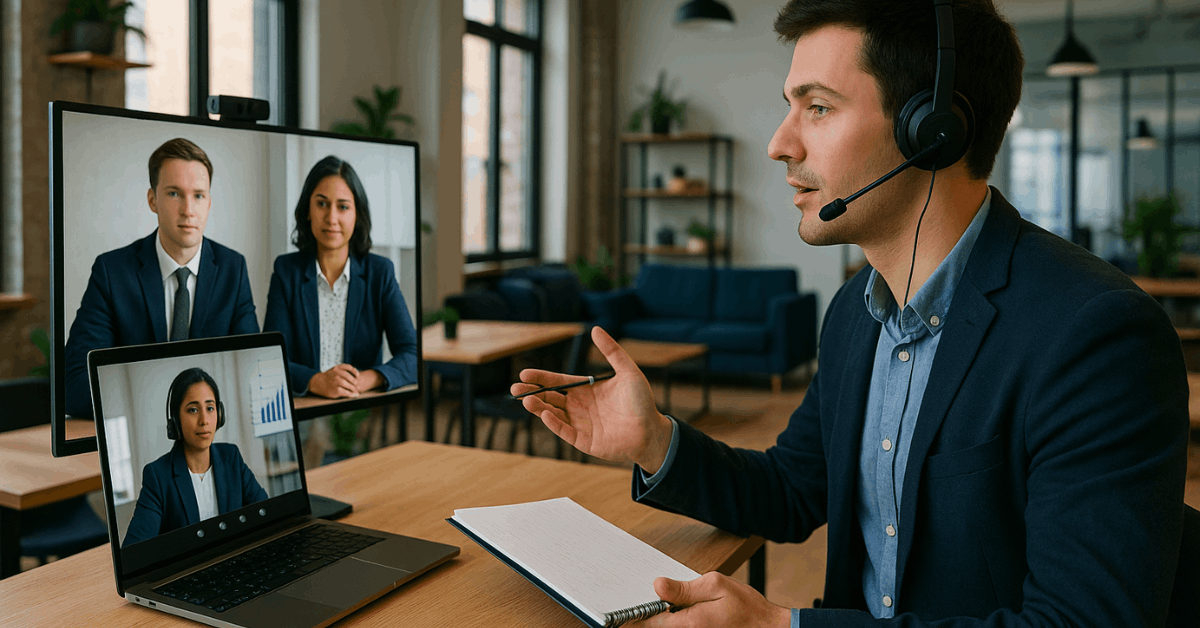
They assess your communication, problem-solving, and adaptability under a digital environment.
What Makes a Virtual Interview Different?
Unlike in-person meetings, virtual interviews rely on your ability to engage through a screen.
Employers pay close attention to how you communicate, manage your surroundings, and use technology. A weak connection or unprofessional background can affect their impression.
Therefore, preparation and awareness of your setup are essential. Confidence and composure must come across even when you are at home.
Types of Virtual Interviews
Virtual interviews vary depending on the company’s process and available technology.
- Live video interviews happen in real-time using tools like Zoom or Google Meet.
- Pre-recorded interviews require you to record answers for specific questions.
- Hybrid formats may combine live sessions and pre-recorded assessments.
Each type tests your readiness and adaptability, so practice with the relevant tools to ensure smooth communication.
Preparing Technically for the Interview
Technical preparation prevents interruptions that could distract both you and your interviewer. A professional setup shows reliability and respect for the opportunity.
Setting Up Your Equipment
Test your laptop or computer to ensure the camera, microphone, and speakers work correctly. Check your internet stability by joining a test call.
Update your software to prevent pop-ups or system lags. Adjust your camera angle to capture your face clearly.
A wired internet connection is ideal for consistency. These small actions can prevent major disruptions during the interview.
Choosing the Right Environment
Your environment reflects your professionalism and focus. Choose a quiet area with natural or soft lighting that highlights your face.
Avoid busy backgrounds or cluttered spaces. A plain wall or organized backdrop creates a positive impression. Position your camera at eye level for better engagement.
Inform household members about your schedule to minimize interruptions. Maintaining a calm environment enhances your confidence and performance.
Backup Plans
Despite preparation, technical issues can still occur. Have a backup device like a smartphone or tablet ready with the meeting link accessible.
Prepare a mobile hotspot or secondary internet source in case your connection fails. Keep the recruiter’s email or phone number handy for emergencies.
If a disconnection occurs, rejoin calmly and apologize briefly. These precautions ensure professionalism even under unexpected circumstances.
Personal Presentation and Professionalism
Your visual presentation plays a key role in how interviewers perceive you. Even though the meeting is virtual, appearance and conduct still matter.

Dressing for Success
Dress appropriately to show respect and seriousness. A clean, well-ironed shirt or blouse in solid colors works best.
Avoid overly bright patterns or flashy accessories that draw attention away from your face. Dressing fully, not just from the waist up, helps maintain professionalism in case you need to stand.
Your attire sets the tone of the meeting. Looking prepared shows you value the opportunity.
Body Language and Eye Contact
Maintain proper posture throughout the session. Sit upright, shoulders relaxed, and avoid leaning too close to the camera.
Look directly into the lens when speaking to simulate eye contact. Use natural hand movements to express your points but keep them controlled.
Smile naturally to show confidence and friendliness. Small gestures contribute to building rapport with your interviewer.
Voice and Tone
Your tone should sound clear, calm, and confident. Avoid speaking too fast or too softly. Modulate your voice to emphasize key ideas.
Reduce filler words such as “um” or “like” to sound more professional. Practice beforehand by recording yourself and reviewing how you sound. Effective vocal delivery helps create a strong impression.
Research and Preparation
Understanding the company and role increases your chances of success. Preparation communicates interest, effort, and cultural alignment.
Understanding the Company
Researching the employer helps you tailor your responses. Review their official website, social media presence, and press releases.
Learn about their values, mission, and recent achievements. Familiarize yourself with their products or services to connect your experience with their goals.
Understanding the company’s direction helps you speak confidently about how you can contribute. It also demonstrates enthusiasm for the role.
Knowing the Role
Study the job description to identify the required skills and qualifications. Highlight experiences from your background that match these expectations.
Think of examples that show measurable success, like completing projects or improving efficiency.
Knowing what the company seeks allows you to answer questions with relevance and confidence. Preparation gives your answers clarity and purpose.
Practicing Common Questions
Anticipate questions such as “Tell me about yourself” or “Why do you want this job?”.
Prepare responses that focus on achievements and alignment with the company’s mission. Practice answers using the STAR method—Situation, Task, Action, and Result.
This structure helps keep your replies concise and organized. Include real examples from your previous work or studies. Practicing builds confidence and fluency during the interview.
Effective Communication During the Interview
Communication skills determine how well you convey competence and personality. Every answer should be clear, structured, and purposeful.
Answering Questions Clearly
Avoid long explanations that lose focus. Give complete yet concise responses using the STAR framework.
Maintain steady pacing and pause briefly before answering complex questions. This shows thoughtfulness and composure.
Confidence in delivery can leave a strong impression on the interviewer. Clarity is often valued more than lengthy technical details.
Asking Insightful Questions
At the end of the interview, asking thoughtful questions shows curiosity and engagement.
You can ask about team structure, company culture, or growth opportunities. Questions like “How do you define success in this role?” or “What are the next steps after this interview?” work well.
Avoid questions easily found on the company website. Aim to show genuine interest in contributing to the organization’s success.
Listening Actively
Active listening builds connection and understanding. Avoid interrupting the interviewer while they speak. Nod slightly to acknowledge important points.
Summarize their key ideas when appropriate to show attentiveness. Stay mentally present throughout the session.
Good listening often influences how interviewers evaluate your communication skills.
Handling Technical or Connection Issues
Even the best-prepared candidates may face connectivity problems. Your calm reaction matters more than the issue itself.
Stay Calm and Professional
If your connection drops, quickly rejoin and explain the situation briefly. Avoid panicking or apologizing excessively.
Resume the conversation naturally and confirm where you left off. Keeping composure under stress demonstrates problem-solving ability. Employers appreciate candidates who handle disruptions with maturity and grace.
Follow Up Afterward
If technical issues prevented a complete discussion, send a brief follow-up email. Thank the interviewer for their understanding and summarize key points from your answers.
Reaffirm your interest in the role and highlight your enthusiasm. This proactive gesture can leave a lasting positive impression. Consistent professionalism strengthens your candidacy.
After the Interview – What Comes Next
Post-interview actions show continued interest and commitment. They also help you reflect and improve for future opportunities.
Sending a Thank-You Email
Send a thank-you message within 24 hours of the interview. Express appreciation for their time and restate your excitement about the position.
Mention a memorable part of the conversation to personalize your note. Keep your message polite, concise, and sincere.
This follow-up builds a professional image. Employers value candidates who show gratitude.
Reflecting on Performance
Take time to review your performance after each interview. Note which questions challenged you and how you responded.
Evaluate your body language, tone, and clarity. Reflection helps you identify strengths and weaknesses.
Treat each interview as practice toward mastering your presentation. Growth comes from continuous self-assessment.
Following Up Professionally
If no update arrives after a week, send a short and polite inquiry email. Reiterate your interest and ask if any decision has been made.
Keep the tone respectful and patient. Avoid appearing impatient or demanding.
Employers appreciate gentle reminders that show professionalism. A professional follow-up maintains communication without pressure.
Tips for Building Confidence
Confidence is the result of preparation and practice, not luck. Self-awareness and repetition strengthen your mindset.
Practice with Mock Interviews
Record yourself during mock sessions to evaluate your presence and delivery. Ask a friend or mentor to provide constructive feedback.
Review your performance to adjust tone, pacing, or gestures. Simulated interviews reduce anxiety and build comfort.
The more you rehearse, the more natural your responses become. Consistency turns nervousness into control.
Prepare Mentally
Take deep breaths before joining the call to calm your nerves. Visualize a successful interview where you express yourself clearly.
Focus on what you can control—your preparation, communication, and attitude. Remind yourself that the interviewer wants to see you succeed.
Positive thinking enhances performance under pressure. Confidence grows from readiness and belief in your abilities.
Conclusion – Your Confidence Starts with Preparation
Virtual job interviews require a mix of technical readiness, strong communication, and professional presence.
Each step—from preparation to follow-up—shows your commitment to success. Planning, research, and confident delivery lead to positive results.
When you master these skills, every virtual meeting becomes a career opportunity worth seizing.